
Find the Right Backup Power Option for Your Home
Not every home needs the same solution. Compare the main approaches to backup power and find the option that fits your priorities, budget, and power needs.
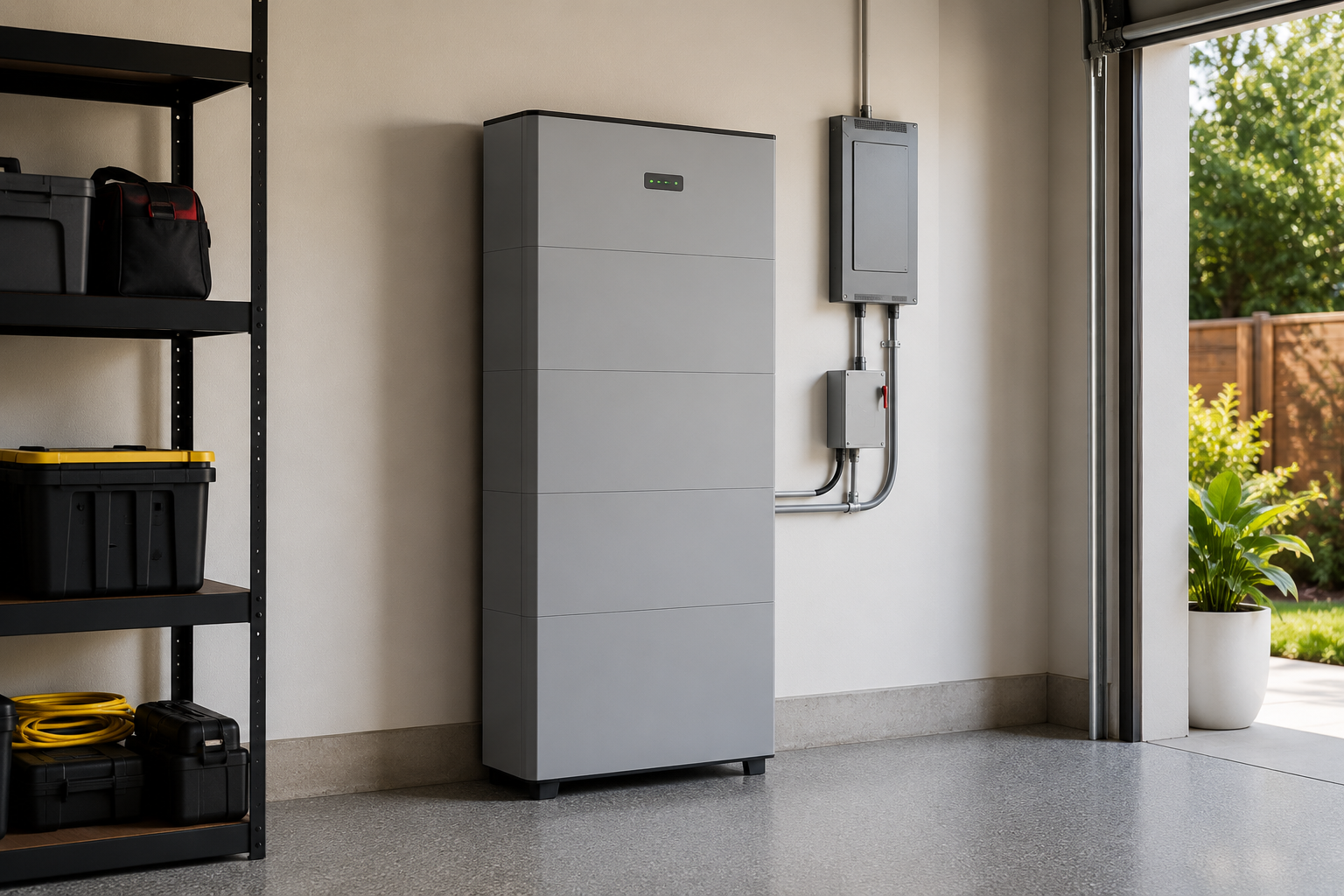
Battery Backup
Provides automatic backup during outages
Quiet operation with no fuel
Can help shift electricity use away from expensive time-of-use periods where applicable
Can pair with solar to store excess energy for later use
Best for homeowners who want seamless, everyday energy management plus outage protection
Limitation: runtime depends on battery capacity and how much of the home is being powered
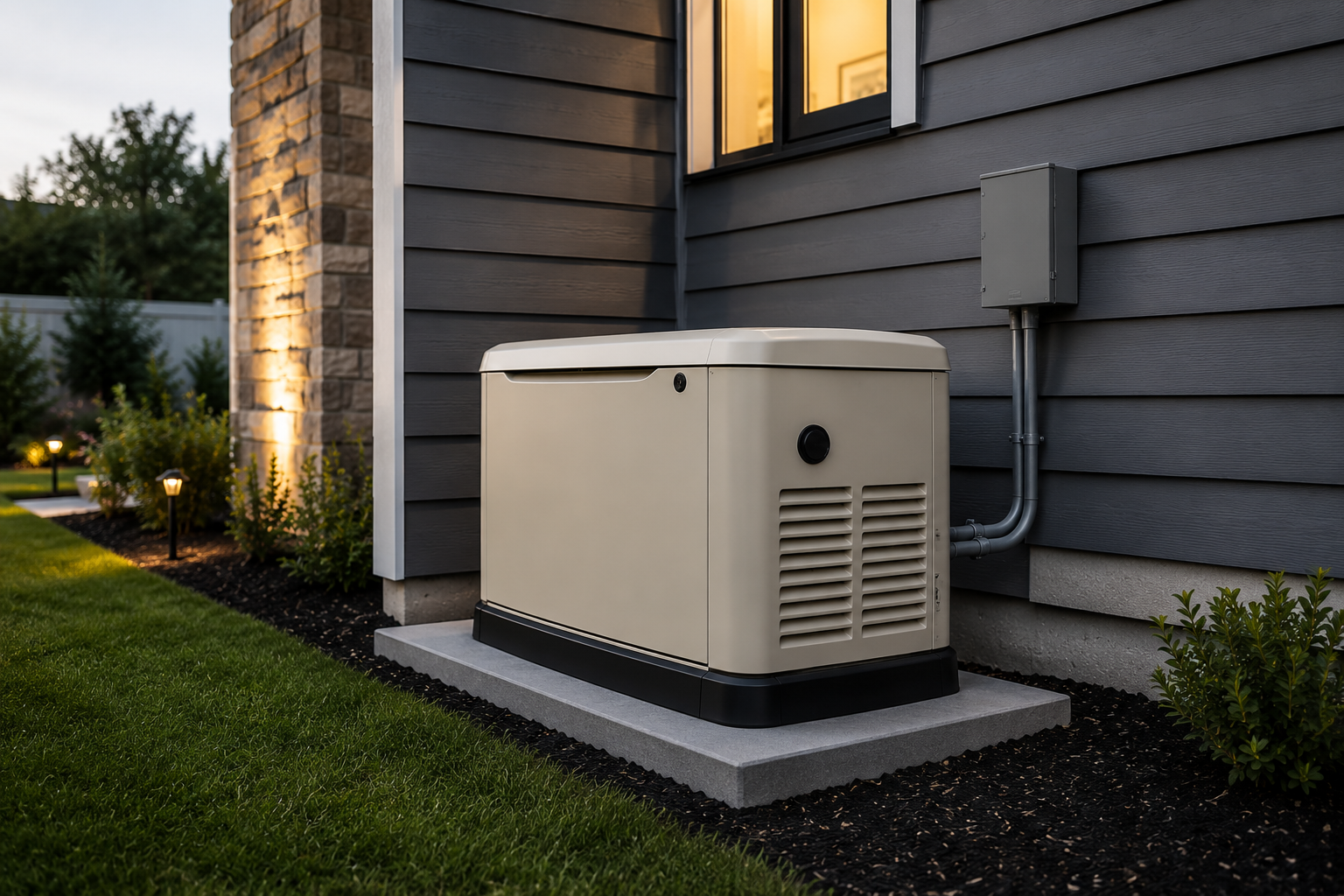
Standby Generator
Designed for longer-duration outages
Can provide extended runtime as long as fuel is available
Often capable of supporting larger household loads
Automatically starts during an outage
Good fit for homeowners concerned about multi-day outages or extended grid failures
Limitation: requires fuel, maintenance, outdoor space, and produces noise/emissions
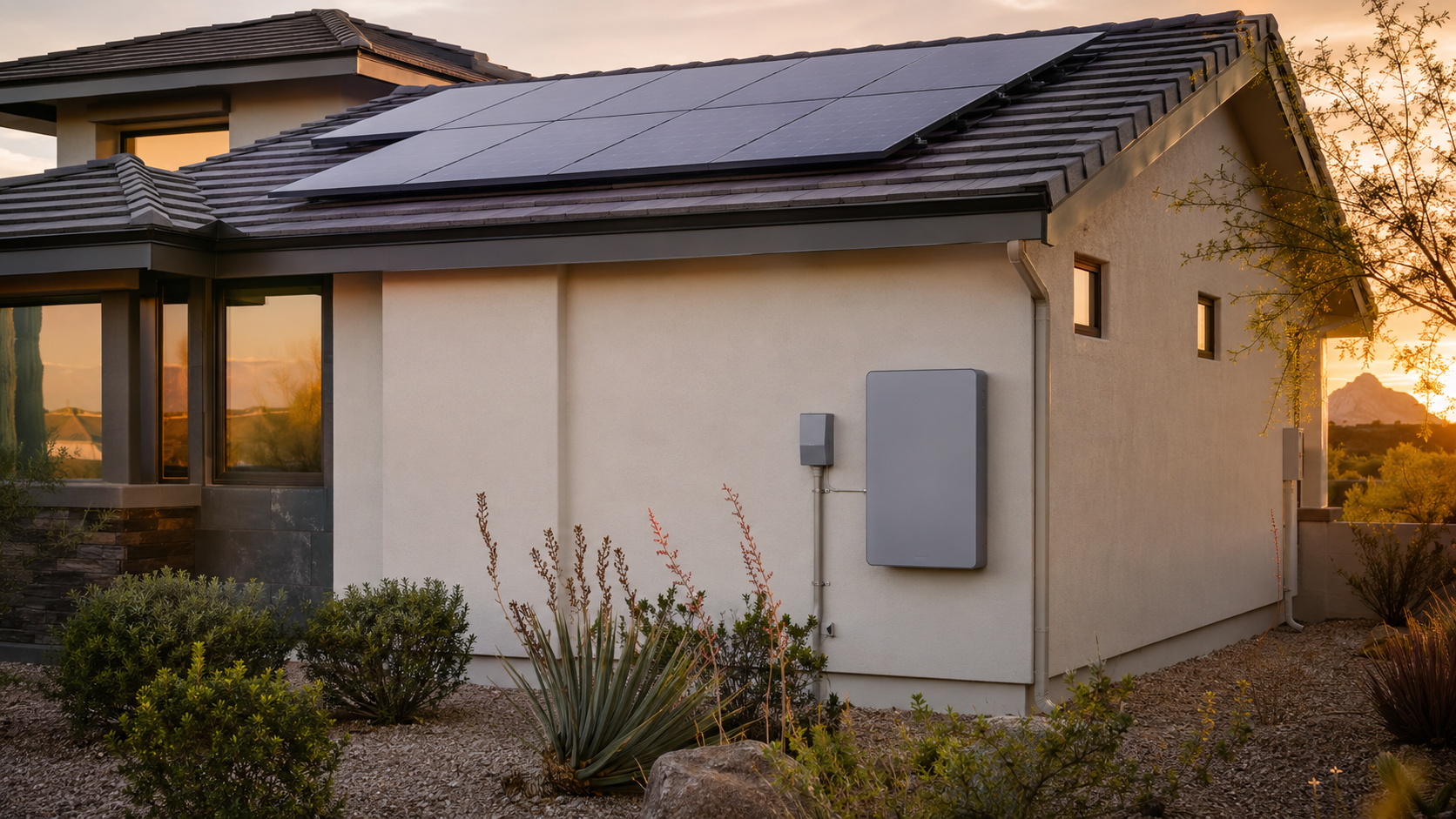
Battery + Solar
Start with dependable battery backup and add solar for daytime recharging and greater energy independence.
Provides automatic backup power during outages
Solar panels can recharge the battery during daylight hours
Stores excess solar energy for use at night or during higher-cost time-of-use periods
Can reduce reliance on utility electricity
Best for homeowners who want backup protection plus everyday energy savings
Limitation: performance and savings depend on sunlight, system size, energy use, and utility rate plan
Already have panels? Check the health of your existing solar system with PanelSitter’s free two-minute check before exploring battery options.
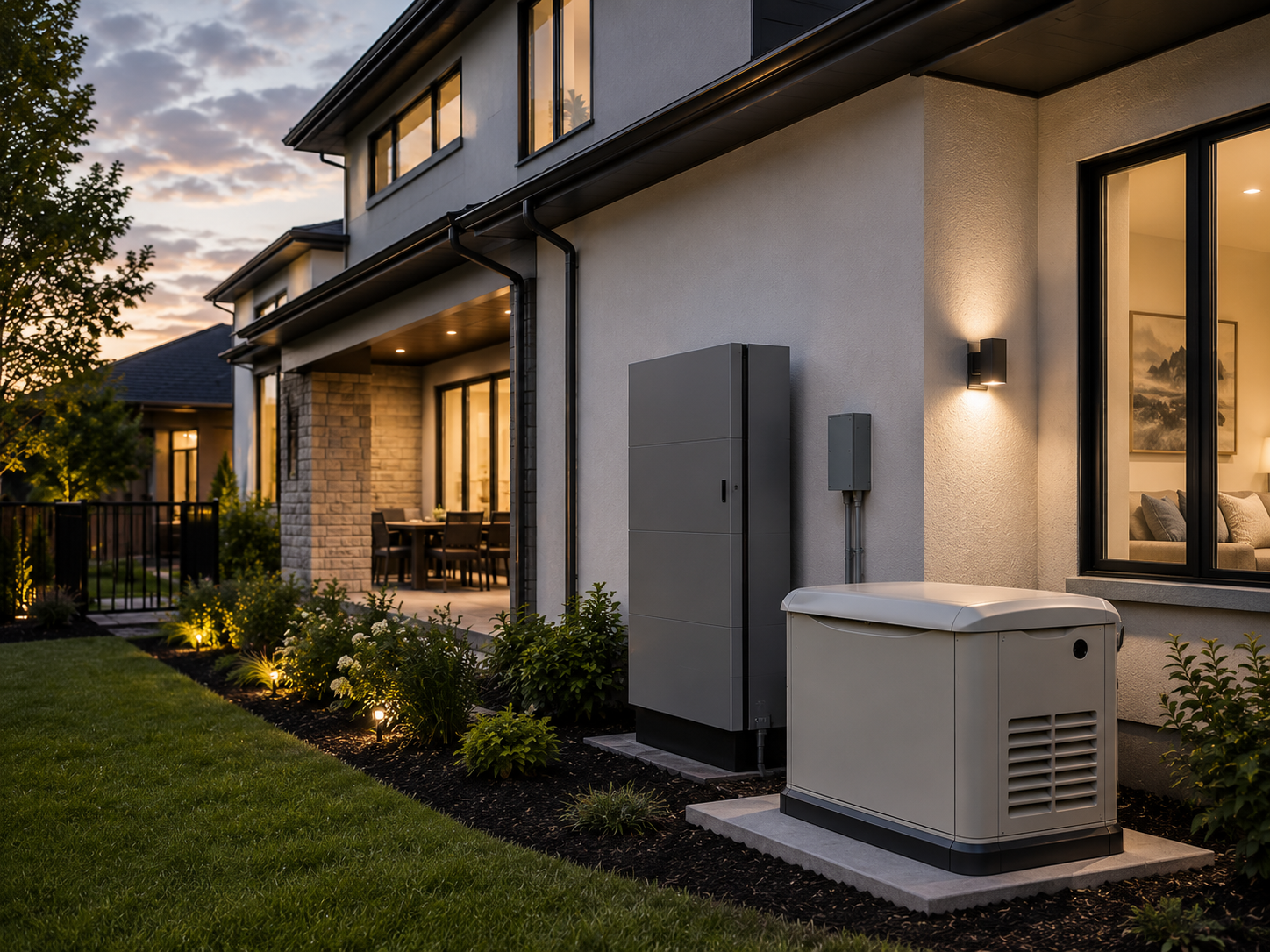
Battery + Generator
Battery provides immediate, quiet backup
Generator can take over or recharge/support the system during extended outages
Gives the homeowner both short-term flexibility and long-duration resilience
Can reduce unnecessary generator runtime
Strong option for homeowners who want a more comprehensive backup strategy
Typically the highest-cost solution
Backup Power Isn’t Just About Outages
Battery systems may provide value even when the grid is operating normally. Depending on your utility rate plan and system configuration, a battery may help store lower-cost or solar-generated electricity and use it later during higher-cost time-of-use periods.
Whole-home or essential-load backup?
Essential-load backup prioritizes selected circuits, such as refrigeration, lights and Wi-Fi. Whole-home backup connects more of the home, but does not mean every appliance can run together indefinitely. Ask for a written load list and runtime estimate. Power (kW) determines what can run at once; usable energy (kWh) helps determine how long it can run.
Will my solar work during an outage?
Most standard grid-connected solar systems shut down when the grid fails. A compatible solar-and-battery system with the required backup equipment can keep selected loads powered and recharge from available sunlight. Confirm compatibility with your existing inverter. Recharging depends on sunlight, household demand and battery conditions.
Balance daily savings with outage reserve
Where supported, a backup reserve setting holds some stored energy for outages. A higher reserve leaves less energy for routine bill savings. Ask your installer to explain the app, your utility rate settings and a reserve appropriate for your priorities, including monsoon season. Review any utility-program dispatch rules before enrolling.
Backup Ready Arizona provides preliminary educational guidance and may receive referral compensation from participating providers. It does not design, engineer, sell, or install systems. A qualified provider must verify loads, system compatibility, permits, utility requirements, eligibility, final pricing, and expected performance before purchase.